Rechercher dans ce blog

Thursday, July 1, 2021

Apple macOS 12 Monterey preview - The Verge

The public beta of macOS 12 Monterey, Apple’s next big macOS release, is now available for download. The operating system has the same general look and feel as its predecessor, macOS 11 Big Sur, but it brings some new features and a number of tweaks to Apple’s most popular services.

Before we get into this, friendly reminder that Monterey is, for now, a beta. It may not be the best idea to install on a primary device, as you might encounter bugs, unfinished features, and incompatibility with third-party apps. If you will be installing the program on your daily driver, make sure you’ve backed up anything you can’t afford to mess with first.

For those who take the leap and install the public beta, the component Apple seems most excited about is its updates to FaceTime. My favorite of these is Portrait Mode, which blurs the background behind you while you’re speaking on a call (similarly to the iPhone’s feature with the same name). Portrait Mode didn’t always get everything — sometimes when there were multiple different surfaces behind me, it seemed to get a bit confused and leave some parts un-blurred. But it wasn’t difficult to find areas where the feature worked just fine. Apple says Portrait Mode will be available for adoption in third-party apps as well, but we’ll have to wait for them to issue updates to support it.

A screenshot of a MacBook screen where a user is on a FaceTime call with a blurred bright bedroom background. A FaceTime drop-down menu is open in the top right with Portrait selected.

Even though it’s had the ability to make group calls for a few years, I’ve always viewed FaceTime as a tool for calling one person at a time. But Monterey introduces a few other features that are clearly meant to make the tool a stronger Zoom competitor, conducive to meetings and larger calls. It now supports a grid view and Spatial Audio (which makes other people’s voices sound like they’re coming from the area on the screen where their face is positioned). You can generate a link to a FaceTime call ahead of time (the same way you generate a Zoom link), and users of Android and Windows can join from their browsers. And a new Voice Isolation feature uses machine learning to mitigate background noise while you’re speaking.

There’s a new feature called SharePlay, which is like Netflix Party or Scener but for FaceTime. Like Netflix Party, it allows you and other people on your FaceTime call to watch content from certain streaming services together by syncing everyone’s video playback and controls. (So we’re both watching the video on our own devices, with our own accounts. But when I pause or start, you pause or start as well.) SharePlay isn’t a new idea, but it’ll certainly be convenient to have on FaceTime. While the list of supported services includes some big players (such as Disney Plus, Hulu, HBO Max, Paramount Plus, Twitch, Pluto TV, and — hilariously — TikTok), it doesn’t appear to include Netflix, which is the one streaming service I and all of my friends and family reliably have in common. Until that’s added to the roster, I don’t see myself using this that often.

A new feature that I do think I’ll be using a lot is Quick Note. Quick Note gives you an easy way to take notes on an article you’re reading (or items you’re viewing in Maps, Photos, or other apps). You can right-click highlighted text to add it to a Quick Note, and it’ll appear there along with a link to the source. (You can press Fn+Q to pull up a blank one as well.)

Quick Notes sync across devices and are available in a specific “Quick Notes” folder in the Notes app. The handiest thing, I think, is that if you’ve got an app open where you’ve previously created a Quick Note, you can hover your cursor in the bottom-right corner of the screen and a thumbnail of the note will pop up.

A screenshot of a MacBook Pro screen. The Verge’s review of the Razer Blade 14 is open in Safari. A paragraph is higlighted with “Add to Quick Note” in an adjacent drop-down menu selected. A Quick Note is open on the left side of the screen with more text and a link to the article.

Apple has introduced a few “continuity” features that are meant to make it easier to use Macs alongside other Apple devices. Arguably the most exciting one, Universal Control, won’t be ready until a future beta. What you can try now is AirPlay, which has made its way to macOS for the first time. AirPlay makes it easier to cast content to a Mac computer: it can mirror or extend your iPhone’s screen, for example, or can function as an AirPlay 2 speaker. I was able to set this up easily (you just need to wait until the devices detect each other and then enter a code on your phone), and it worked well.

A screenshot of a macOS notification that reads “Airplay: Look What You Made Me Do would like to AirPlay to this Mac.”

Safari has some tweaks, mainly concerning tabs. The URL bar now lives next to your tabs, which gives you more browsing space. Tabs have a rounder appearance now, and you can click one to reveal its page’s full address.

The new feature that I think is quite useful is tab groups. The way this works is that if you have, say, five tabs open, you can click a little icon in the top-left corner to make them into a “tab group”. Later on, if you open the sidebar on the left, you’ll see the group listed in the “Tab Groups” section; click on it, and Safari will reopen those five tabs. Also in that sidebar lives a bookmarks list, a reading list, and a list of links that have been shared with you in Messages. You can test-drive the new Safari browser in older versions of macOS without having to update to the Monterey beta by installing the Safari Technology Preview.

A screenshot of Safari open on a MacBook Pro. A Verge Windows 11 video is open on YouTube. The sidebar is open showing two tab groups: Verge Videos and Verge Articles.

There are a number of other odds and ends built into macOS Monterey. Shortcuts is available on macOS, Focus allows you to filter notifications based on the task you’re doing, it’s gotten easier to save photos that you receive in Messages, etc. I look forward to digging more into these features for our full review, but the things I’ve highlighted here are the ones I see being the most immediately impactful to daily use.

The phrase “odds and ends” really sums up my impressions after using macOS Monterey for a few days. macOS Big Sur completely overhauled the Mac experience. That’s not the case here (which is fine — not every update needs to be a revolution). Apple seems to have made some tweaks here and some tweaks there. My reactions have largely been: “Alright, that could be handy.” Which is fair. I’ll take handy.

Here’s the list of devices that will support macOS Monterey:

Notably, this doesn’t include a few models that did get Big Sur last year, including the 2013 MacBook Air, the late-2013 MacBook Pro, and the 2014 iMac.

Adblock test (Why?)


Apple macOS 12 Monterey preview - The Verge
Read More

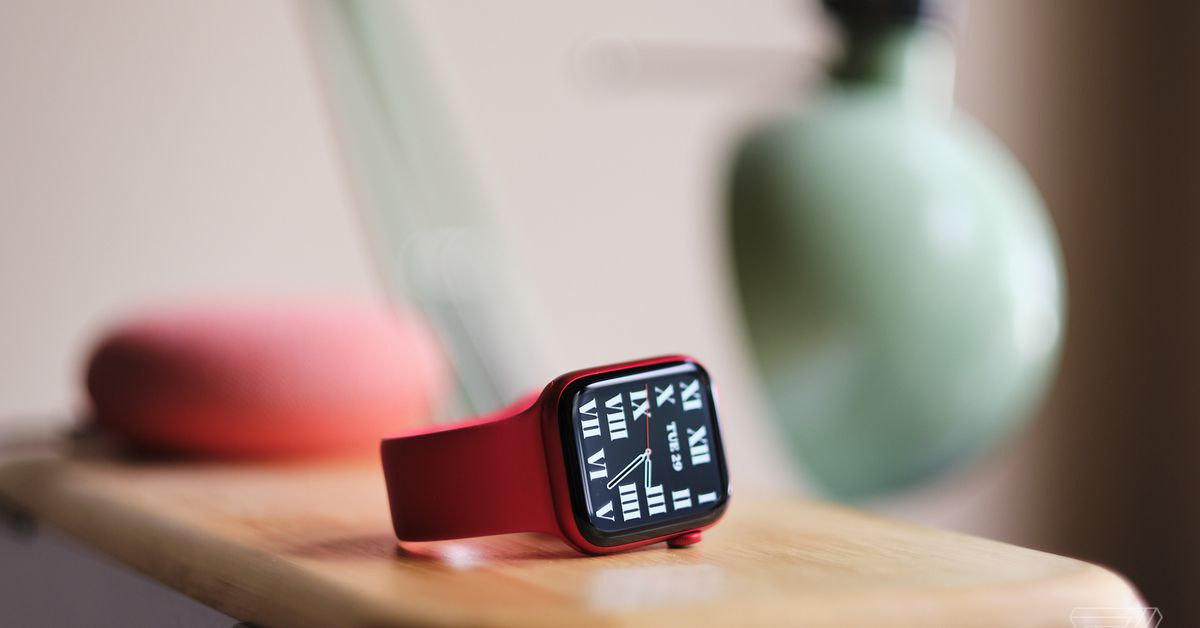
How to install the watchOS 8 public beta - The Verge

Apple has now released public betas for iOS 15, iPadOS 15, watchOS 8, tvOS 15, and macOS Monterey. We’ve covered how to get the iOS 15 and iPadOS 15 betas here — follow along below if you’re interested in testing out the latest Apple Watch software, too.

WatchOS 8 is expected to get a full, stable release this fall. It brings a handful of new features, including more workout types in the Fitness app, a new Mindfulness app, a watchface that works with Portrait Mode photos taken on an iPhone, as well as improved weather and smart home apps, among other things. It’s compatible with the Series 3, Series 4, Series 5, Series 6, and SE Apple Watch models.

Before we go through how to install the beta, there are some important things you should know:

  1. Beta software is often buggy and you might have issues with third-party apps. Some bugs might include poor performance and bad battery life, an area the Apple Watch isn’t great at even with stable software. It’s best to try it out on a secondary watch if you have one (which, admittedly, most people don’t).
  2. Unlike the iOS and iPadOS betas, there’s no way to revert to the stable version of watchOS 7 if you install the watchOS 8 beta. If it’s buggy and not functioning well for you, you’re stuck with it until Apple releases the stable version in the fall. That’s probably enough of a reason to stay away from this one, particularly if you rely on your Apple Watch.

If those don’t scare you away, here’s how to install the watchOS 8 beta on an Apple Watch:

  • Before you can install the watchOS 8 beta, you must have the iOS 15 beta installed on your iPhone. Go follow these directions and come back here when you’re done.
  • Go to Apple’s beta software page in Safari on your iPhone.
  • Log in with your Apple ID.
  • Scroll down and tap the “Get Started” link.
  • Tap the watchOS 8 tab at the top of the page.
  • Select “enroll your Apple Watch” in the Get Started section of the watchOS 8 tab.
  • Scroll down and tap the “Download Profile” button and then select “allow” on the pop-up.
  • Install the beta profile in the Watch app on your iPhone, which should automatically open once the profile is downloaded.
  • You will be prompted to reboot your Apple Watch. Tap the button to allow this.
  • Once the Apple Watch is rebooted, go to the Watch app, tap “General,” tap “Software Update.”
  • You should see the watchOS 8 beta ready to be installed on your watch. Tap “Install” to proceed.
  • The software update will download to your phone and then transfer to the watch. To complete installation, the watch needs to be on its charger, within range of your iPhone, connected to Wi-Fi, and with 50 percent or more charge. If all of those criteria are not met, it will pause the installation until the watch is ready.

Once the beta software is installed, the watch will reboot itself and you’ll be all set to use it. In our experience, some complications and third-party apps did not function until they were opened manually on the watch or the watch was rebooted a second time.

Adblock test (Why?)


How to install the watchOS 8 public beta - The Verge
Read More

Digitimes: mini-LED 14-inch and 16-inch MacBook Pro set to launch late in the third quarter - 9to5Mac

Digitimes today reported that Apple is bringing on suppliers ready for the production ramp of the highly-anticipated 2021 MacBook Pro lineup. The report says new 14-inch and 16-inch MacBook Pros are currently scheduled to launch late in the third quarter of 2021, which presumably means September.

The laptops will feature mini-LED panels, similar to the screen technology seen in the 2021 12.9-inch iPad Pro. Whereas traditional LCD panels use a single large backlight, mini-LED screens features thousands of independent dimming zones allowing for super high peak brightness whilst delivering contrast levels similar to OLED displays.

Apple’s upcoming MacBook Pro machines are expected to be new in almost every way. The computers will feature Apple’s next-generation of Apple Silicon chip. The M1 excelled at consumer performance and the upcoming chip (colloquially referred to as ‘M1X’) will be aimed at leading the market in prosumer/professional workloads as well.

Bloomberg previously reported that the MacBook Pro chip will feature a ten-core CPU design, and up to 32 GPU cores. The laptops will be configurable with up to 64 GB RAM. Other restrictions about the M1 architecture, such as support for only one external display and a maximum of two Thunderbolt 3 ports, are also expected to be lifted.

We also expect to see a new industrial design, with the laptop chassis sharing design cues from Apple’s recent iPad, iPhone and iMac designs featuring flatter sides. The laptops are also expected to include dedicated I/O ports for HDMI and an SD card reader, as well as see the return of a MagSafe power connector.

Check out 9to5Mac on YouTube for more Apple news:

Adblock test (Why?)


Digitimes: mini-LED 14-inch and 16-inch MacBook Pro set to launch late in the third quarter - 9to5Mac
Read More

Student gets Windows 11 running on a Windows Phone - The Verge

The Windows 11 preview only got released earlier this week, but a student has already managed to get Microsoft’s latest operating system running on a Windows Phone. Engineering student Gustave Monce has created a brief video demonstrating Windows 11 running on a Lumia 950 XL, one of the first devices to ship with Windows 10 Mobile. It was also one of Microsoft’s last Windows-powered phones before the company ended support for its mobile OS.

Windows 11 adapts surprisingly well for the 5.7-inch display, but the same can’t be said for the speed of animations. While Windows 11 is usable on the Lumia 950 XL, it doesn’t look like something you’d want to pull out of your pocket every day. But that’s not really the point. This is the latest achievement in a five-year hobby of tinkering with getting full versions of Windows running on Windows Phone devices.

“It all started really 5 years ago, when Windows 10 Mobile was near obsolescence,” says Monce, speaking to The Verge. Monce teamed up with Bingxing Wang, a fellow engineer, to bring the idea of running full Windows on these phones to life.

“As time went on and we started talking about it, discussion groups formed and in turn we had a community of people interested in running full Windows 10 on Lumia 950s,” explains Monce. “We’re now basically a team of about 15 people, and we’ve made a lot of progress.”

The team has ported and reverse-engineered drivers to get Windows 11 running on a Windows Phone and even written their own ones, too. “I wouldn’t say we were quite fast to do it, we took four years to get to the current state, but it’s actually impressive we got here with not much documentation on hand,” says Monce. “Because of all that work for Windows 10 and the work we previously did to support Windows 10X, Windows 11 was a natural path forward, and really didn’t take much to get going.”

Monce and the team have built a dedicated site for their project, and it includes tools, guides, and documentation on bringing Windows 10 and Windows 11 to these old Windows Phones. Not everything works perfectly, with the cameras failing to function, a hit to battery life, and calls / SMS occasionally breaking due to Microsoft’s OS changes. It’s more of a fun project to see just how far engineers and developers can push the devices that Microsoft has abandoned.

It’s also a project that reminds me of the age-defying HTC HD2 smartphone. Developers and engineers kept HTC’s legendary Windows Mobile device going for a solid decade, with custom Android ROMs, mods, and even a port of Windows Phone 8 for the device. The Lumia 950 series is nearly five years old, and the fact that a team of people has ported Windows 11 to it is proof that there’s life in the old phone yet.

Adblock test (Why?)


Student gets Windows 11 running on a Windows Phone - The Verge
Read More

DigiTimes: Apple to Announce Redesigned 14-inch and 16-inch MacBook Pro in September - MacRumors

After months of rumors and speculation, Apple plans to announce its redesigned 14-inch and 16-inch MacBook Pro featuring mini-LED displays, an all-new design, and a faster Apple silicon processor in September of this year, according to a report from DigiTimes.

16 inch macbook pro m2 render
According to the paywalled report, which revealed that Apple is planning a significant investment in bolstering mini-LED production, Apple plans to unveil its redesigned MacBook Pros in the late portion of the third quarter of this year. The third quarter runs July through September, and Apple has typically reserved product announcements during the summer for its annual iPhone event, which traditionally occurs in September.

Bloomberg's Mark Gurman recently indicated that the next few weeks will be quiet as Apple is not planning any major announcement or product reveals until the launch of its new iPhones in the fall. That reporting would corroborate DigiTimes' claim of a late third-quarter launch, likely happening in September.

DigiTimes further reports today that shipments of the new 14-inch and 16-inch MacBook Pro models will peak in October. Shipments peaking in October makes the likelihood of a September announcement even greater, given that suppliers of mini-LED displays continue to run dry. Like the M1-powered iPad Pro launch, Apple may announce the new MacBook Pros during an event in September but not yet begin shipping the device until later the next month.

The new MacBook Pros will feature the most radical redesign to the MacBook line in recent years. The new MacBook Pros are expected to feature a flat-edged design, more ports, including HDMI and an SD-card slot reader, a faster iteration of the M1 Apple silicon chip, and brighter and more vibrant displays thanks to the inclusion of mini-LED technology.

You can learn more about everything we know about the upcoming 14-inch and 16-inch MacBook Pro using our guide.

Adblock test (Why?)


DigiTimes: Apple to Announce Redesigned 14-inch and 16-inch MacBook Pro in September - MacRumors
Read More

Damn straight I'm excited for Windows 11, and no one can convince me I shouldn't be - Windows Central

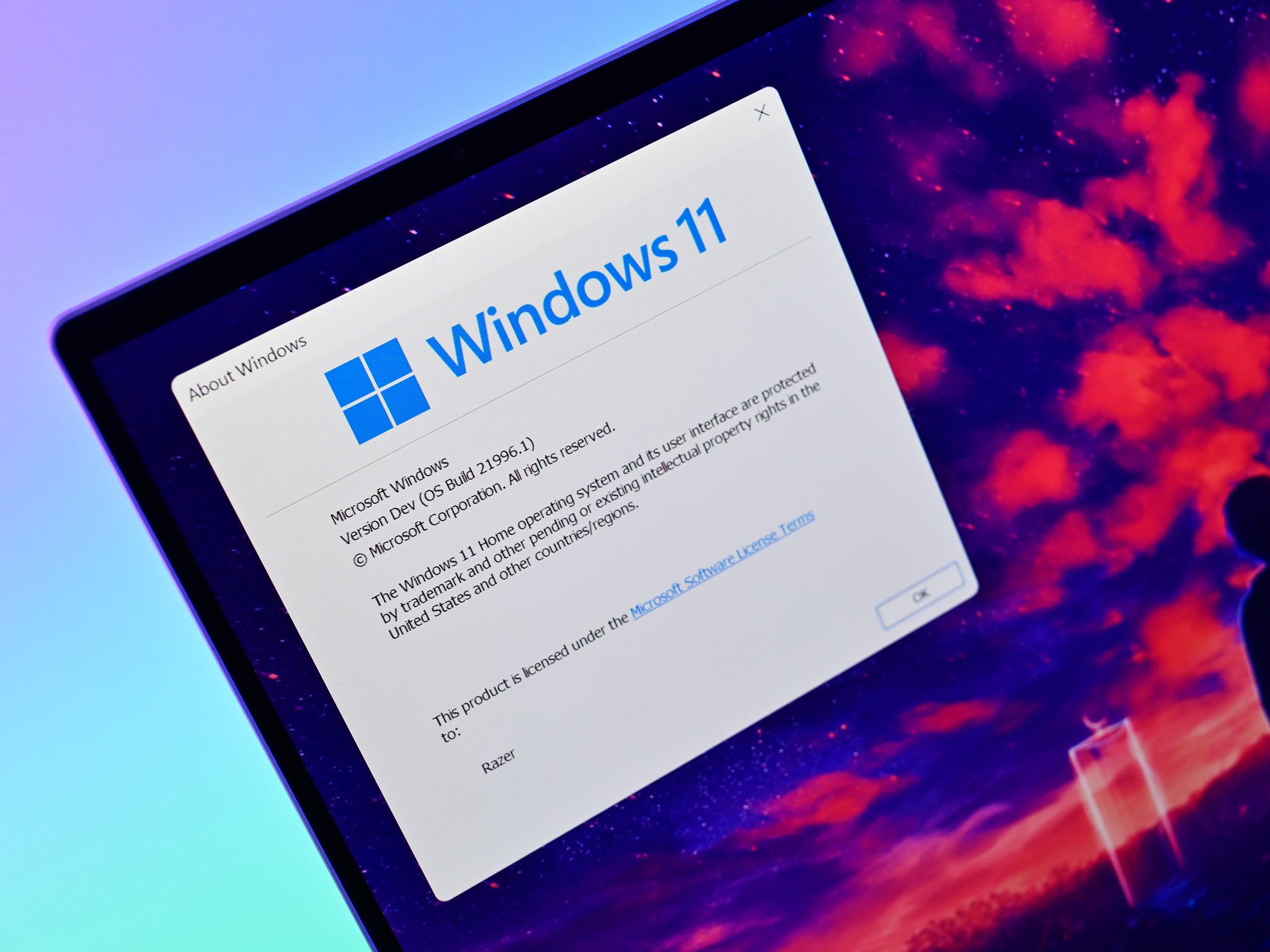
Windows 11 Logo 4 RazerbookSource: Daniel Rubino / Windows Central

With Microsoft officially announcing Windows 11, there's a bit of a buzz in the tech world. People are racing to check out the Insider preview build of the OS and read up on the latest features.

While many are excited, a group of people feels that Windows 11 isn't a big deal. Among those is our news editor, Robert Carnevale, who recently wrote a piece titled "Windows 11: It doesn't matter, and you shouldn't fall for the marketing," which states that Windows 11 is "nothing more than a mild facelift that is being used as an excuse to draft the media into manufacturing consumer interest." While the comment section of that piece is split, I respectfully disagree with Rob and others that hold the same opinion. I believe that Windows 11 does matter and that it's okay to be excited about it.

It's clearly more than a facelift

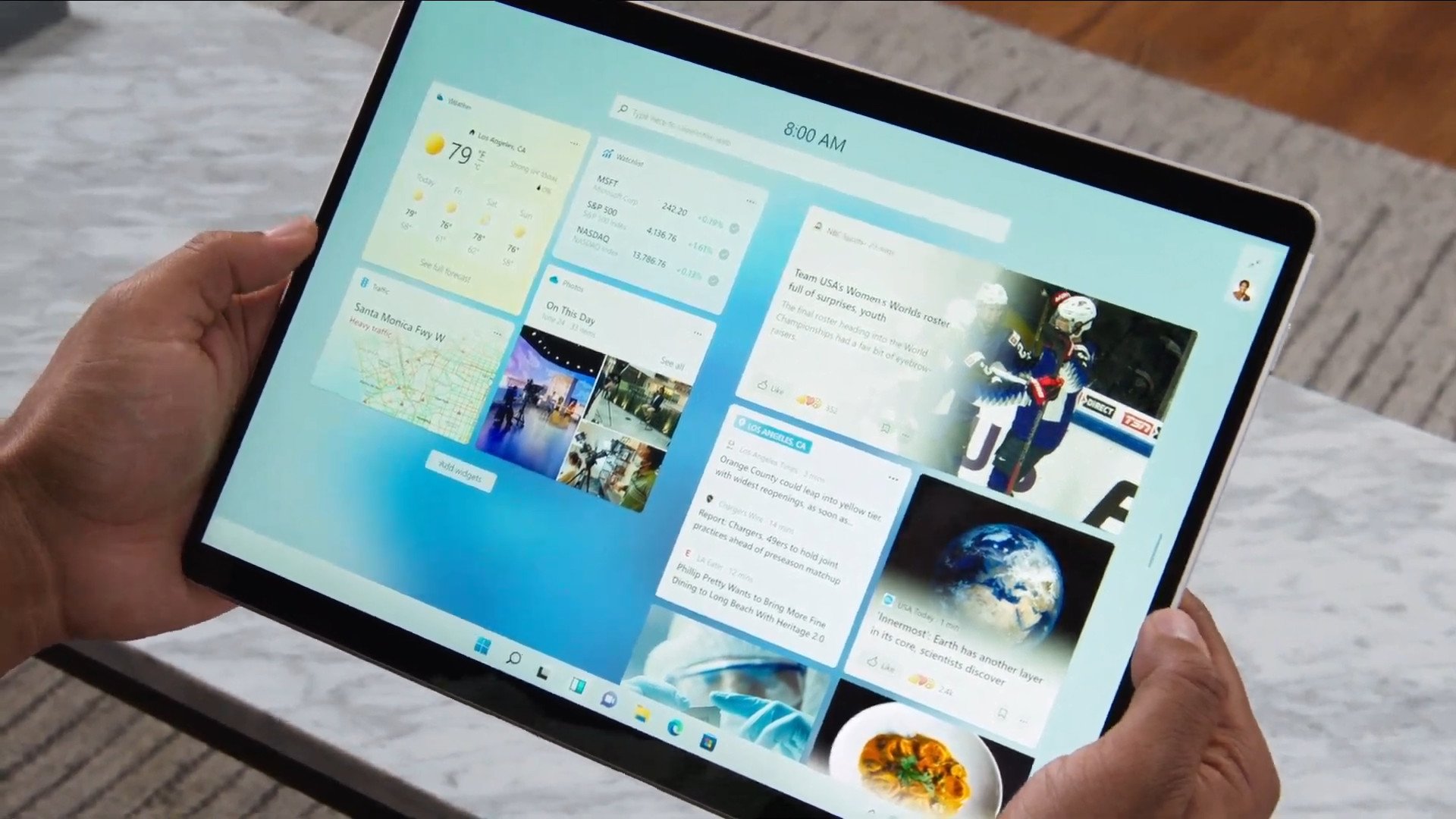
Windows 11 Widgets Fullscreen

Source: Microsoft

Even before Windows 11 was officially announced, people around the web incorrectly called the new operating system nothing but a facelift. Our executive editor, Daniel Rubino, already explained how Windows 11 is more than just a new Start menu, but the narrative persists.

Here's a list of just some of the new features that will arrive with Windows 11:

As a quick note, I'm aware that some of these features, like the new Microsoft Store, will also be on Windows 10, but they are shipping with and were made with Windows 11 in mind. Other features, like Dynamic Refresh Rate, are exclusive to Windows 11. There are also some other features that I haven't listed.

These features might not move the needle for everyone that uses Windows 11, but they're clearly not "just a facelift." These features add true value for gaming PCs, productivity, and the everyday use of PCs.

Changes to the Microsoft Store alone are massive

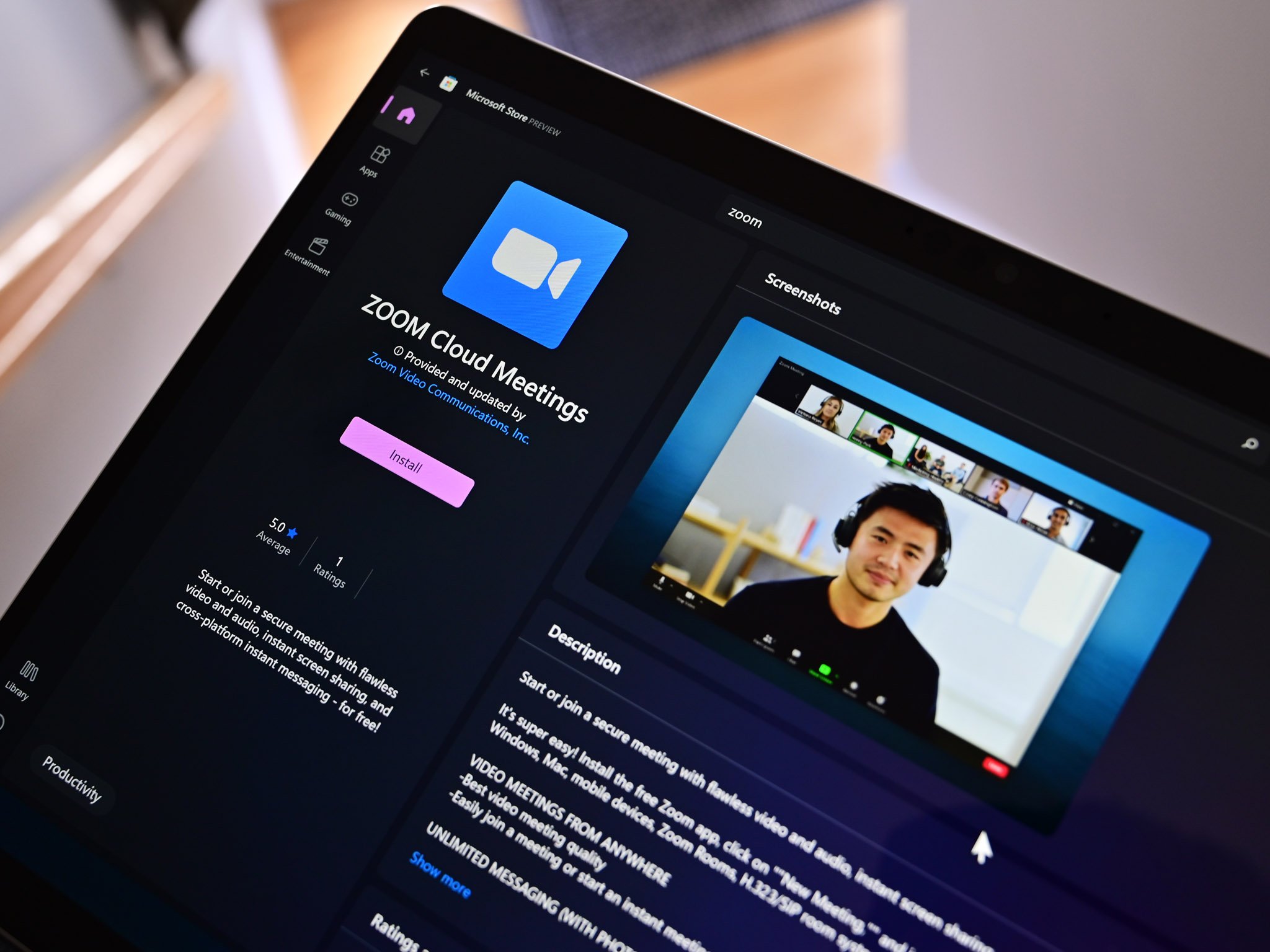
Zoom App Windows 11 Store

Source: Daniel Rubino / Windows Central

Microsoft showed a major recommitment to the Microsoft Store with the announcement of Windows 11. Changes include a new revenue model that allows developers with their own commerce platform to keep 100% of their revenue, new developer tools to make bringing apps to the store easier, and support for Android apps through the Amazon Store. The company has also announced improvements to Windows 11 on ARM.

Microsoft isn't just marketing Windows 11 to consumers. The company is trying to convince developers to get on board, and it's already working. Within a week of Windows 11 getting announced, Zoom, OBS, Canva, TikTok, WinZip, the CorelDRAW graphics suite, and the Adobe Creative Cloud, are either in the Microsoft Store already or their developers have announced that they're on the way to it.

These aren't small or niche apps. Even if you don't use some of the apps, them coming to the Microsoft Store is a big deal for Windows.

That's not to mention all Android apps that are available through the Amazon Store. If things go to plan, Windows 11 could eventually run apps from the Galaxy Store and Google Play Store as well. Even if that never happens, you'll be able to sideload Android APKs onto Windows 11.

Surely millions of Android apps and some of the biggest programs on Windows coming to Windows 11, and the Microsoft Store is more than a facelift.

Even if it was just a facelift, isn't that nice?

Windows 11 Start Laptop Razerbook

Source: Daniel Rubino / Windows Central

While it's clear that Windows 11 is more than a facelift, for the sake of argument, let's say that the only changes it had compared to Windows 10 were cosmetic. Isn't that still a good thing? People have complained about the inconsistent hodgepodge of Windows 10 UI for years. Even if an update just addressed that, it would still be nice.

When Apple announces an update like macOS Big Sur or Google announces Android 12, many of the highlights are cosmetic. Those updates also have new features, but plenty of people welcome improvements to their user interfaces.

It's a good thing when companies listen to feedback. Modernizing Windows, unifying its look across the OS and apps that run on it, and refreshing its design are good things.

Let people be excited

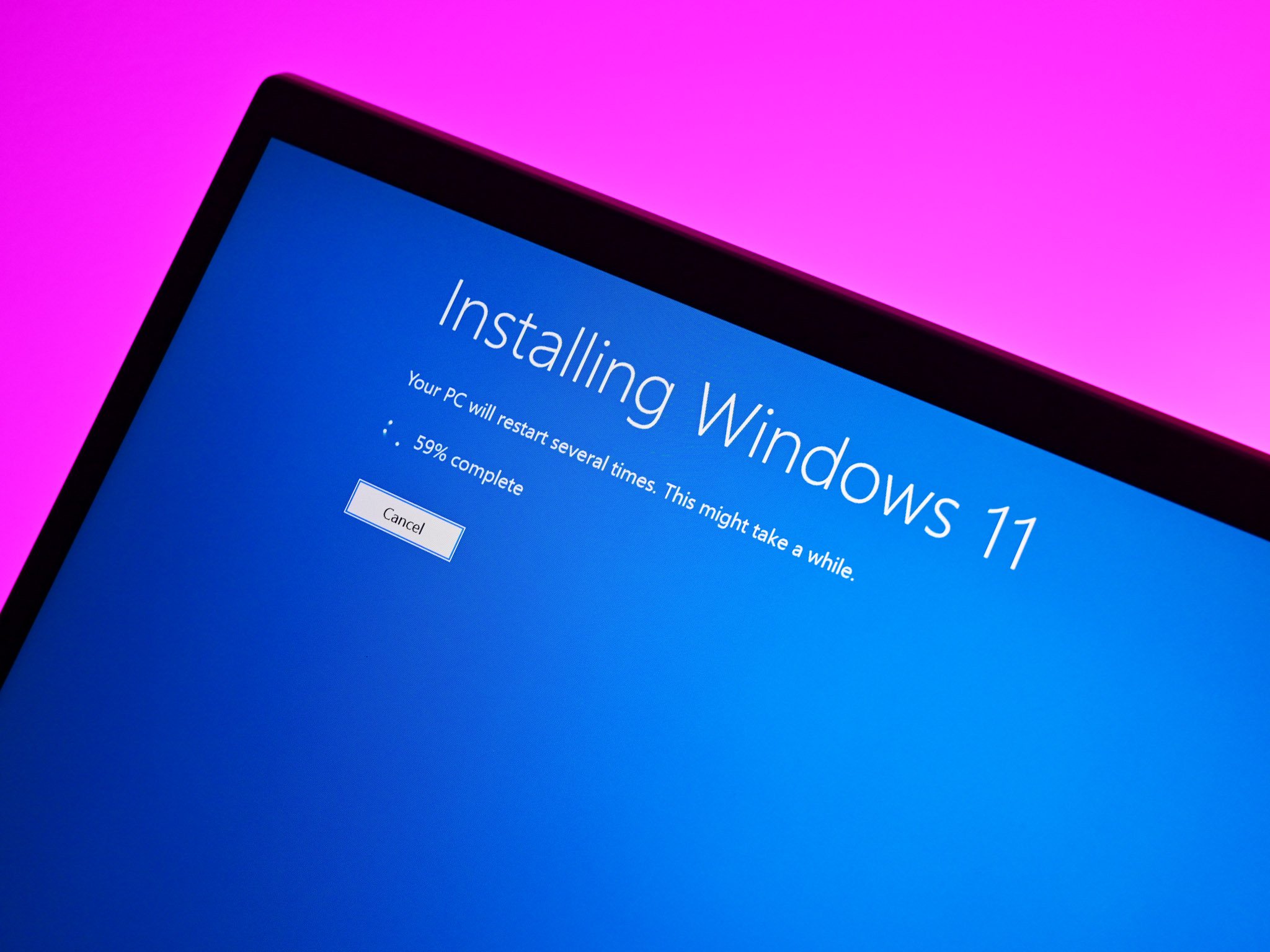
Windows 11 Install

Source: Windows Central

People get excited about different things. As I write this, England is playing against Germany in the Euros (update: It's Coming Home). I don't follow football (soccer to our American readers), but many of my friends do, and they're loving it. People like cars, gadgets, sports, fashion, and all sorts of other things. If people want to get excited about an operating system, is that any weirder than fawning over the new Ford F-150 Lightning or your favorite sports team?

I've covered Windows for years. I write about it, I follow it, I love it. I watched Zac's build videos back when builds started with a 9. Damn straight I'm excited for Windows 11.

Adblock test (Why?)


Damn straight I'm excited for Windows 11, and no one can convince me I shouldn't be - Windows Central
Read More

Wednesday, June 30, 2021

How to Download the watchOS 8 Public Beta - Lifehacker

Illustration for article titled How to Download the watchOS 8 Public Beta
Photo: Masarik (Shutterstock)

The first public beta for watchOS 8 is now available, giving users a chance to try out all the new features coming to Apple Watch Series 3, 4, 5, 6, and SE devices later this year. This early version of watchOS 8 includes the respiratory sleep tracking, new workout modes and multi-timer support, and tons of new changes to various Apple Watch apps including:

  • Photos: Support for memories and highlights, and images can be shared through iMessages and Mail.
  • FindMy: AirTag tracking support.
  • Apple Music: You can now share music via Messages.
  • Weather: Precipitation notifications if rain is expected in the next hour.

There are tons of other small tweaks in watchOS 8, all of which you can check out right now—but only if you have an iPhone running the iOS 15 beta. We can help you install the iOS 15 beta, but we strongly recommend you do not install either iOS 15 or watchOS 8 betas on your primary devices. Bugs and performance issues could make them unusable, and you cannot roll back to watchOS 7 once the watchOS 8 beta is installed. It’s better to wait a few more months for the stable versions to arrive.

With those warnings aside, here’s how to enroll your Apple Watch into Apple’s beta program so you can install watchOS 8 public beta now.

  1. Make sure your iPhone and Apple Watch are charged, paired, and near each other.
  2. On your iPhone with iOS 15, open Apple’s beta program webpage.
  3. Click “Get started,” sign in with your Apple ID and agree to the terms to enroll your account in the program.
  4. Go to the “watchOS” tab and tap “Download profile.” Allow the download, if prompted.
  5. Select “Install” then follow the on-screen instructions.
  6. Tap to restart your Apple Watch when prompted.

After the Apple Watch reboots, it will be ready to download the watchOS 8 update. There are two ways to start the download:

  • On your Apple Watch, go to Settings > General > Software Update and select “Download and Install.”
  • In the Apple Watch app on your iPhone, go to General > Software Update, then tap “Download and Install.”

Follow the on-screen instructions. Once the installation is complete, you’ll be prompted to restart your Apple Watch one last time. After it reboots, it will be running the watchOS 8 public beta.

[iMore]

Adblock test (Why?)


How to Download the watchOS 8 Public Beta - Lifehacker
Read More

Google's encryption-breaking Magic Compose AI proves iPhone shouldn't support RCS messaging - BGR

For years, Google has been dying to come up with an iMessage equivalent, a key iPhone feature that’s probably responsible for stealing plent...