Rechercher dans ce blog

Monday, May 23, 2022

Instagram created custom fonts called 'Instagram Sans' for Reels and Stories - The Verge

Instagram rolled out a big “brand refresh” today, which is mostly a fancy term for freshening up some marketing materials and making big hand-wavy statements about logos. And there’s plenty of that here, too. (Can I interest you in a long digression about illuminated gradients?) But there’s also one much bigger change: Instagram created its own typeface, called Instagram Sans, that it plans to use broadly going forward both in marketing and in the app itself.

Instagram Sans was inspired by Instagram’s logo, the company said, and “reflects the shape of the glyph and our commitment to simplicity and craft.” (Like I said, hand-wavy.) It’s inspired in large part by the combination of squares and circles, or as Instagram lovingly calls them, squircles. And, as Instagram has always tried to do, it’s a mix of pixel-perfect and hand-made with a few details, like the not quite straight terminal at the bottom of the “t,” that make it look more human. In some places, you can see the evolution from the cursive logo Instagram used for years.

Most of the Instagram Sans fonts are fairly straightforward sans-serif lettering, which makes sense for a brand with such a global and diverse set of users. Instagram said it worked with linguists to make sure the typeface works in as many languages as possible, including script languages like Thai and Japanese. In some fonts, only a small hump in the tail of the uppercase “Q” gives away that it’s an unusual font. But then there’s Instagram Sans Script, which adds broad brushstroke-y flourishes to practically every letter, sometimes to cool effect (the uppercase “W” looks like the logo of a super hip yoga studio) and sometimes to deeply strange results (the lowercase “r” doesn’t even look like a letter).

What the wackier fonts give Instagram, though, is a much more distinct identity. One place the company is hoping users try out Instagram Sans is in Stories and Reels, where a caption written in Sans Script is going to look nothing like a ripped TikTok video. As vertical video becomes the norm, there’s a certain sameness permeating the social landscape, and while a needlessly wavy “x” may not change everything, it’s something.

The real question, though, is how users will feel about the new look. Meta knows better than anyone how resistant users can be to change; remember all the “10,000 against the new Facebook!” groups? That may be why Instagram is starting small rather than totally overhauling everything about the app on day one. But don’t be surprised if you see squircles start to appear more places before you know it.

Adblock test (Why?)


Instagram created custom fonts called 'Instagram Sans' for Reels and Stories - The Verge
Read More

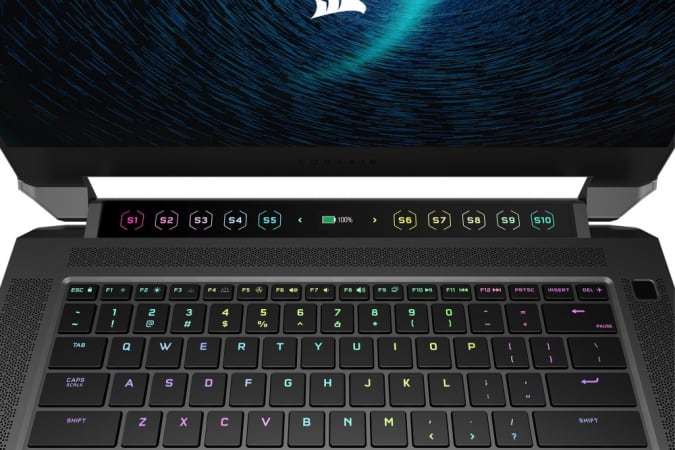
Corsair's first gaming laptop puts Elgato Stream Deck tech in its touch bar - Engadget

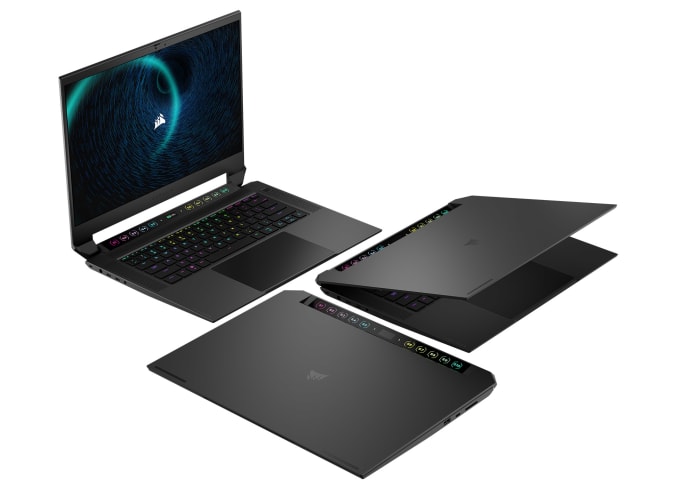
PC accessory manufacturer Corsair has unveiled its first laptop, the 16-inch Voyager AMD Advantage Edition, that's unabashedly designed for gamers and streamers. It's an all-AMD affair, packing both Ryzen 6000-series processors and an AMD Radeon RX 6800M GPU. It appears to be some of the first fruit from its 2019 purchase of gaming PC manufacturer Origin. 

The highlight feature is a 10-key LCD macro bar above the keyboard that's powered by Elgato, allowing streamers to customize controls using Stream Deck software. At the same time, you don't have a MacBook Pro touch bar situation where the function keys have been replaced, as it has those, too. And because of the laptop's unusual clamshell design, you can access the macro bar even when the laptop is closed.

Corsair''s first laptop has an Elgato Stream Deck-powered touch bar

Corsair

You'll be able to customize the keys to different live streaming controls like switching scenes, adjusting audio and loading videos or photos. That way, you could presumably control streaming from your laptop, and the keys could also be used with video conferencing apps like Zoom. 

The 16-inch 2,560 x 1,600 240Hz display (16:10) looks ideal for gaming with a good blend of resolution and speed. Other features aimed at gamers and streamers include a full-sized keyboard with Cherry MX ultra-low profile mechanical switches (in conjunction with membrane for half-height keys), and a 1080p30 webcam with a physical privacy shutter. 

Corsair''s first laptop has an Elgato Stream Deck-powered touch bar

Corsair

Corsair is offering two versions with either a Ryzen 7 6800HS or Ryzen 9 6900HS CPU, along with a Radeon RX 6800M GPU for both. Both versions are well-equipped for gaming or creative work, with 32GB of DDR5 RAM and a 1TB PCIe 4.0 M.2 NVMe SSD on the Ryzen 7 version, and 64GB GB of DDR RAM and a 2TB PCIe 4.0 M.2 NVMe SSD on the Ryzen 9 model. Both include a pair of Thunderbolt 3-enabled USB 4.0 ports, a USB 3.2 Gen2 Type-C port and a USB 3.2 Gen1 Type-A port, along with an SDXC 7.0 card reader, 3.5mm combo audio jack, WiFi 6E and Bluetooth 5.2.

The design is certainly different from other gaming laptops, but it looks sleek with a 19.9mm tapered design and thin display section. It weighs in at 2.4kg (5.3 pounds), a bit heavier than the 16-inch HP Omen 16 gaming laptop (5.03 pounds). The bottom bezel is fairly chunky, likely to accommodate the extra space required for the touch bar. 

With the Voyager AMD Advantage Edition, Corsair appears to be taking on Razer in the enthusiast gaming segment. Corsair's press release shows $2,700 and $3,000 price tags for the Ryzen 7 and Ryzen 9 models, respectively, though the company also said that "availability and pricing will be announced at a later date." 

All products recommended by Engadget are selected by our editorial team, independent of our parent company. Some of our stories include affiliate links. If you buy something through one of these links, we may earn an affiliate commission.

Adblock test (Why?)


Corsair's first gaming laptop puts Elgato Stream Deck tech in its touch bar - Engadget
Read More

Apple Music discount for students getting pricier in several countries - 9to5Mac

Currently, Apple Music offers four different subscription plans for its users: individual, student, family, and Voice Plan (limited to a few countries). Now, college students from several regions are receiving an email warning that its discount will be reduced, as Apple is raising the price of Apple Music for students.

On Twitter, a student from South Africa posted the email Apple sent them about Apple Music’s increased price:

Thank you for subscribing to ‌Apple Music‌. We wanted to let you know about an upcoming change to this subscription.Apple is raising the price of this subscription from USD 1.49 per month to USD 1.99 per month.

MacRumors was able to confirm that not only South African subscribers will have to pay more for the student plan, but users in Australia, the Philippines, Singapore, Malaysia, Saudi Arabia, New Zealand, India, Indonesia, Israel, and Kenya are also seeing a price increase. More countries could be on the list as well.

These changes usually happen when the country’s currency varies a lot when compared to the US dollar. That said, it doesn’t look like this price increase is the same as Spotify announced last year for Europe. In April of 2021, Spotify increased student and individual plans by £1.

It’s not clear at the moment whether Apple is planning to raise the prices of Apple Music globally. With the company pushing users to subscribe to Apple One, it doesn’t look like that Apple is actively raising prices but is, instead, just making a monetary correction.

As you can see, Apple Music for students in South Africa used to cost $1.49 per month. In Brazil, for example, it’s around $1. US students, as you may know, pay $4.99 per month.

Are you seeing a price increase for Apple Music in your country? Share your thoughts in the comments below.

Check out 9to5Mac on YouTube for more Apple news:

Adblock test (Why?)


Apple Music discount for students getting pricier in several countries - 9to5Mac
Read More

Xiaomi and Leica to launch a co-branded phone in July - Engadget

After some earlier rumors, today Xiaomi finally confirmed its "long-term strategic cooperation" with Leica, and that they've been co-developing a flagship smartphone ahead of its July 2022 launch. This will be the German camera firm's latest mobile imaging collaboration after Sharp, Huawei and Panasonic. 

Xiaomi isn't the first Chinese phone maker to leverage the photography know-how from a renowned camera brand. In late 2020, Vivo followed the footsteps of Sony plus Nokia and joined forces with Zeiss, with the latest release being the X80 series. More recently, Oppo and OnePlus started releasing handsets that were jointly developed with Hasselblad, including the Find X5 series and the OnePlus 10 Pro.

Xiaomi hasn't shared much else about this upcoming product, but our money's on Qualcomm's brand new Snapdragon 8+ Gen 1 processor, along with the usual classic imaging aesthetics and filters from Leica's side. Name-wise, it'll either be "Xiaomi 12 Ultra" or possibly kickstarting a "Xiaomi 13" series. In the press release, CEO Lei Jun added that "this cooperation will provide a strong boost to Xiaomi's imaging strategy." We shall find out more in July.

All products recommended by Engadget are selected by our editorial team, independent of our parent company. Some of our stories include affiliate links. If you buy something through one of these links, we may earn an affiliate commission.

Adblock test (Why?)


Xiaomi and Leica to launch a co-branded phone in July - Engadget
Read More

Friday, May 20, 2022

The Best Deals From REI’s Anniversary Sale 2022 - The New York Times

Camping is a great, enriching activity for the whole family, but camping gear can add up quickly. If you’ve had your eye out for a new tent, the Eureka Copper Canyon is a great car-camping option for a family. It’s spacious (enough for two adults, a couple of kids, and gear), intuitive and quick to set up, durable enough to ride out moderate rainstorms and windstorms, and reasonably priced. Overall, this tent has a time-tested design that should last for years to come. The Eureka Copper Canyon also comes in four-person and eight-person sizes, both of which are on sale, too.

Adblock test (Why?)


The Best Deals From REI’s Anniversary Sale 2022 - The New York Times
Read More

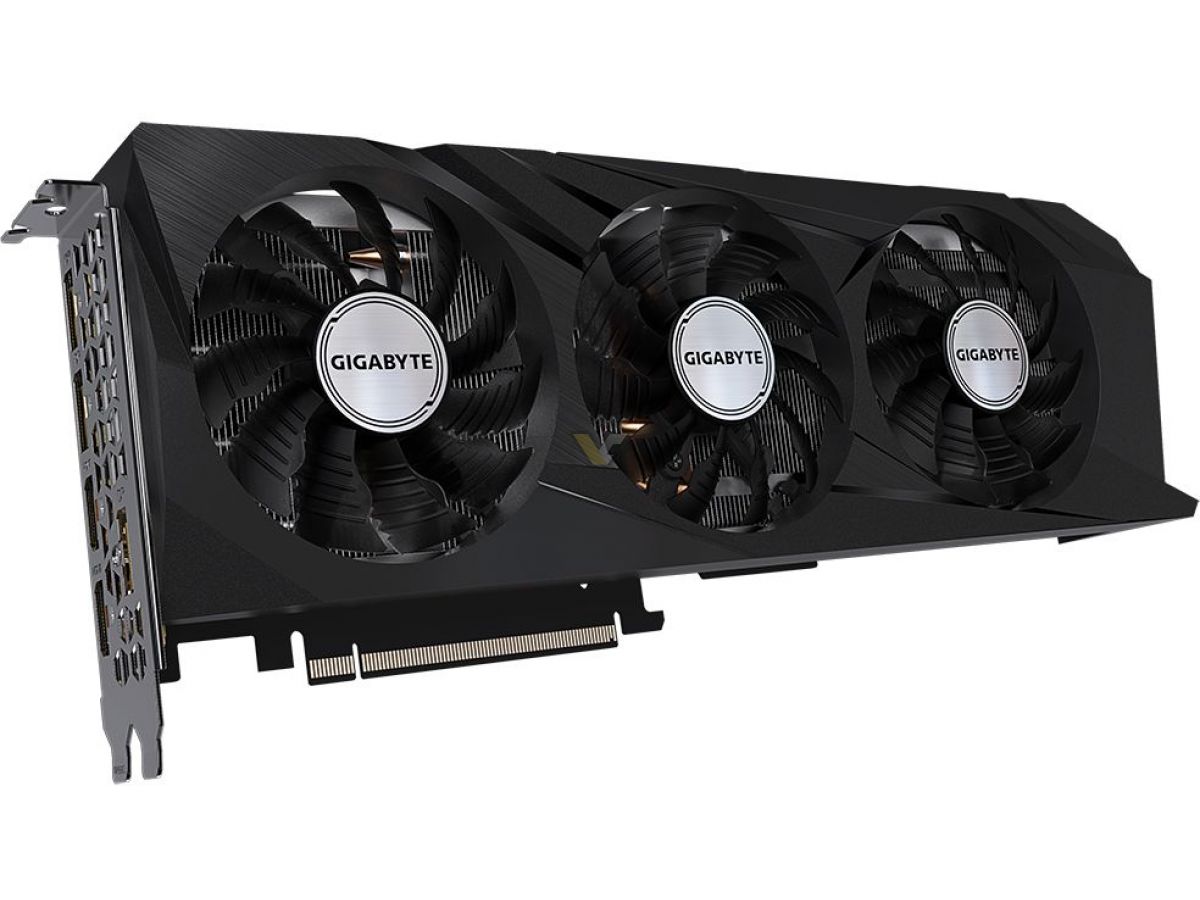
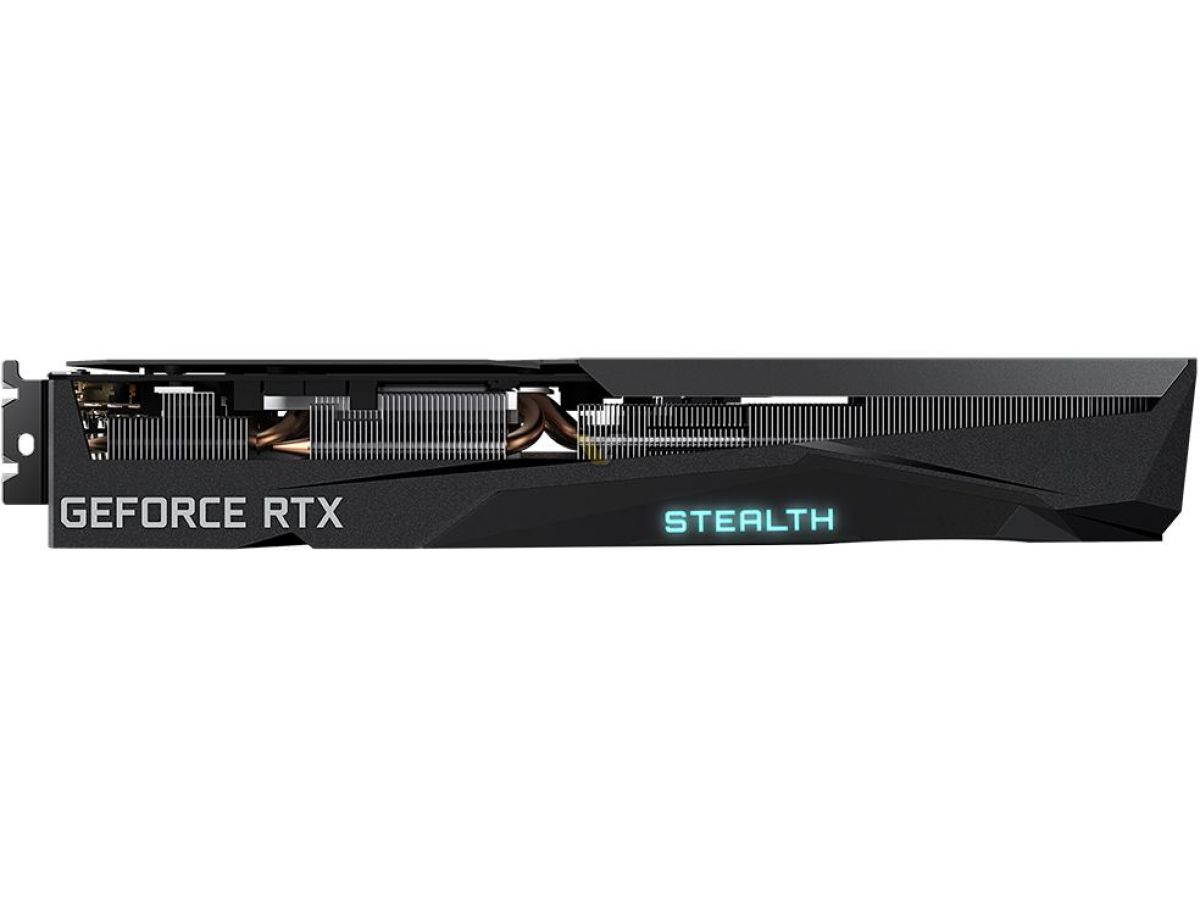
Gigabyte announces GeForce RTX 3070 Gaming Stealth with hidden power connectors - VideoCardz.com

« press release »


GIGABYTE Project Stealth Computer Assembly Kit Leads Sleek System Build

GIGABYTE partners with MAINGEAR for a Customized Motherboard, Graphics Card, and Case that turns tough assembly into easy installation and a stealth-inspired aesthetic

May 20th, 2022 – GIGABYTE TECHNOLOGY Co. Ltd, a leading manufacturer of motherboards, graphics cards, and hardware solutions, announced today a new technology partnership with MAINGEAR, developing the newly developed Project Stealth computer assembly kit and MAINGEAR Stealth custom gaming PC’s.

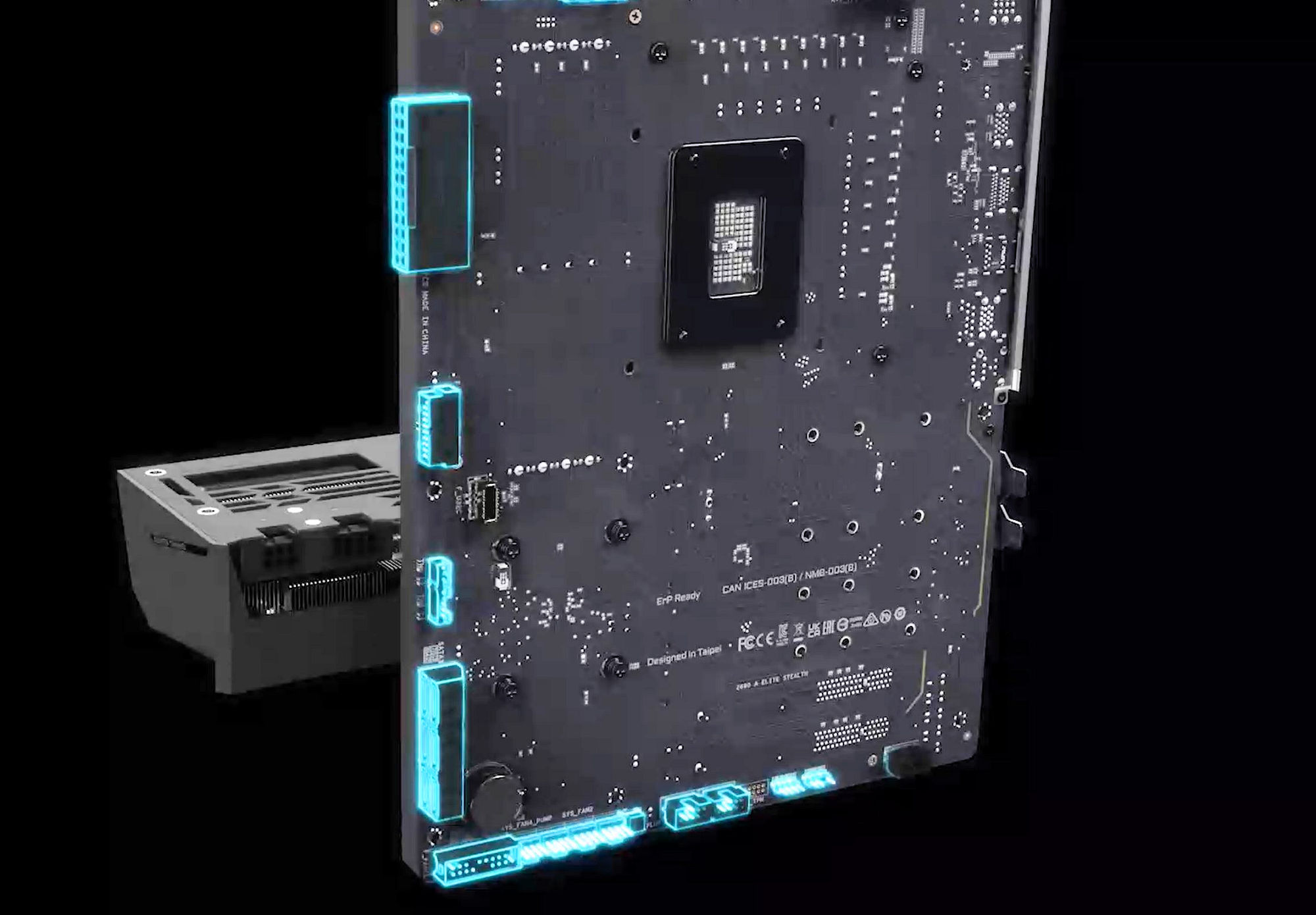
Through the perfect combination of standard ATX compatible components with non-proprietary connectors consisting of a custom motherboard, graphics card and case, Project Stealth eliminates the headaches of cable clutter, installation challenges, and obstructed airflow. The innovative design makes assembling a clean and sleek PC build easier than ever before

When it comes to PC builds, beginners or experienced users alike might find it a difficult process. Since most cables are designed to connect to the front side of motherboards, cable chaos inside the case becomes a major concern in a system build. Others may also struggle with inserting USB, audio, PSU connectors, and front panel headers on the motherboards due to limited interior space in the chassis.

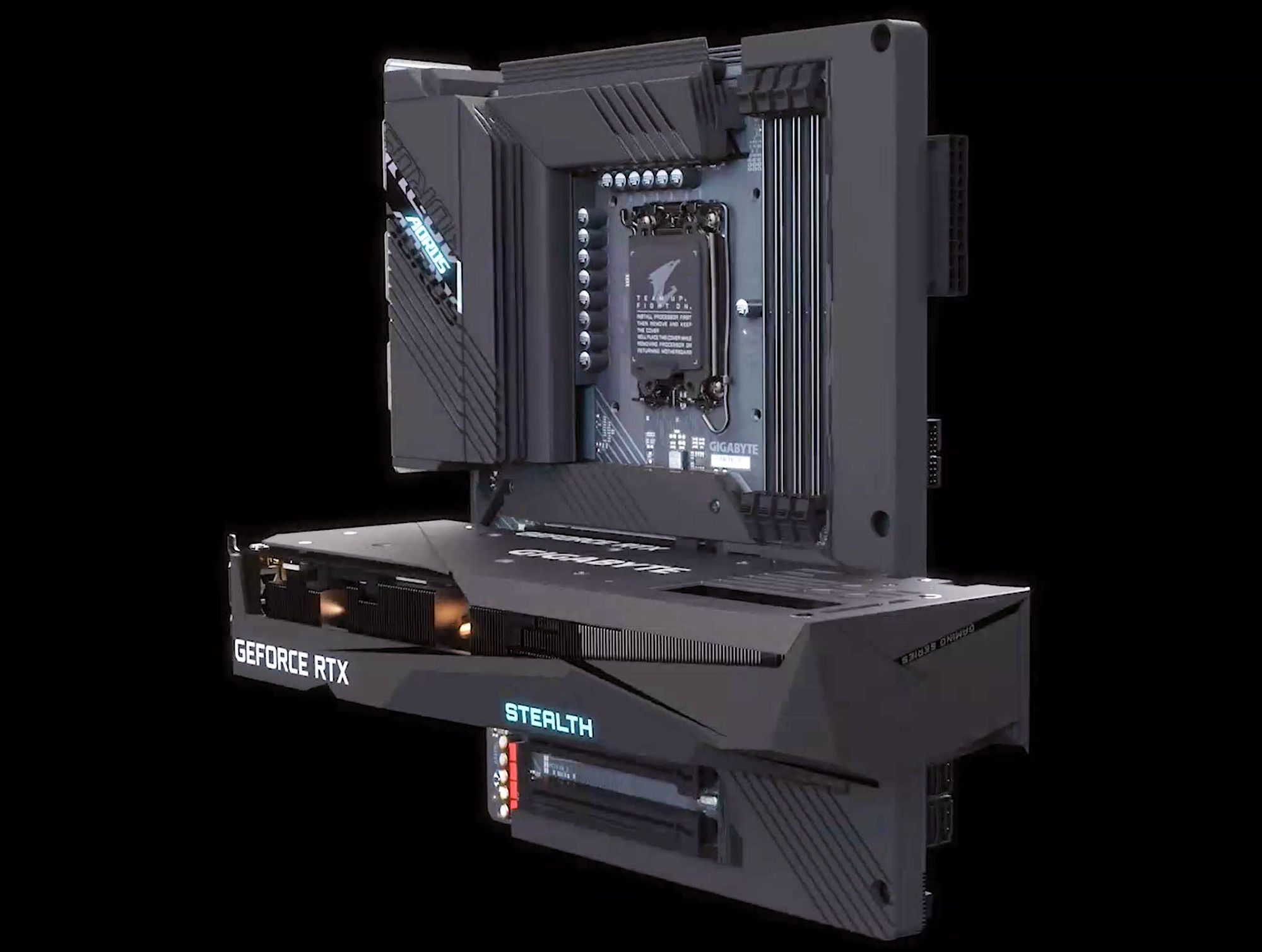
In response to these challenges, GIGABYTE developed Project Stealth, utilizing MAINGEAR’s revolutionary patent and design that shifts all connectors to back of the motherboard. Through this innovation, Project Stealth provides an exceptional solution composed of the Z690 AORUS ELITE STEALTH motherboard, RTX 3070 GAMING OC STEALTH graphics card, and AORUS C300G STEALTH case.

Z690 AORUS ELITE STEALTH moves all sockets like ATX power, CPU power, fans, USB, audio, front panel, etc. to the back of the motherboard, designed to simplify cable management and installation. RTX 3070 GAMING OC STEALTH combines an underside PCIE power socket design with the best-of-class gaming performance. With this exclusive motherboard and graphics card design, users can line their cables up to achieve a stylish, and sleek build with a clean look that compliments both tower coolers and AIO liquid coolers. To tie it all together, the AORUS C300G STEALTH case features custom cutouts, providing seamless integration with both the motherboard and graphics card, enabling easy cable routing for clean aesthetics and ease of assembly.

For those looking for a full solution featuring this innovation, MAINGEAR is announcing the Stealth Gaming PC, a fully integrated solution featuring all Project Stealth components. The Stealth Gaming PC will feature the same industry leading build quality and support of MAINGEAR’s award-winning custom gaming desktop PCs and workstations.

MAINGEAR’s Stealth Gaming Desktop will be available in custom configurations, giving customers the freedom to select from the latest high speed DDR5 memory and high speed PCI-E Gen 4 NVME storage solutions. Each desktop will be hand assembled by MAINGEAR’s team of passionate enthusiast builders in New Jersey.

[AORUS] Introducing AORUS Project Stealth | Product Overview (437 views)


« end of the press release »


Adblock test (Why?)


Gigabyte announces GeForce RTX 3070 Gaming Stealth with hidden power connectors - VideoCardz.com
Read More

New USB-C dock triples M1 Mac external monitor support, Anker says - Ars Technica

Anker 563 USB-C dock

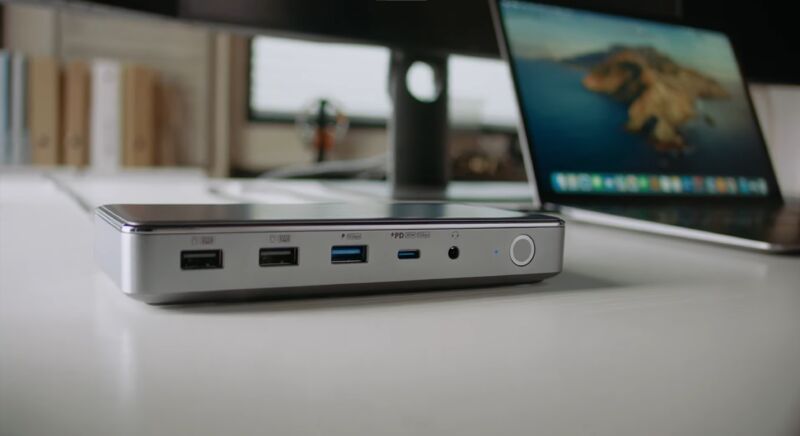
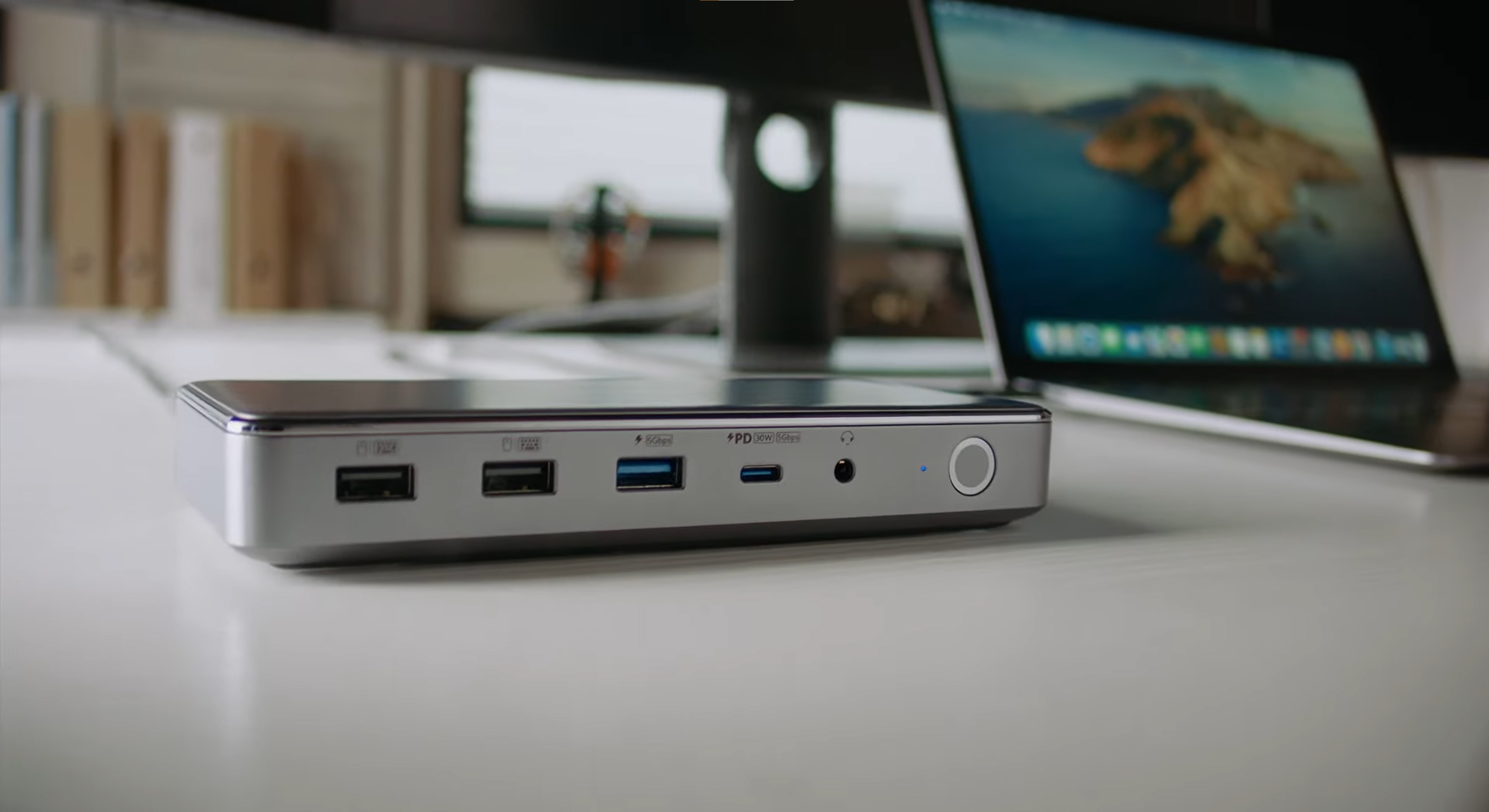
If you have an M1-based Mac, Apple says you're limited to just one external monitor. But Anker, which makes power banks, chargers, docks, and other accessories, this week released a dock that it says will boost your M1 Mac's max monitor count to three.

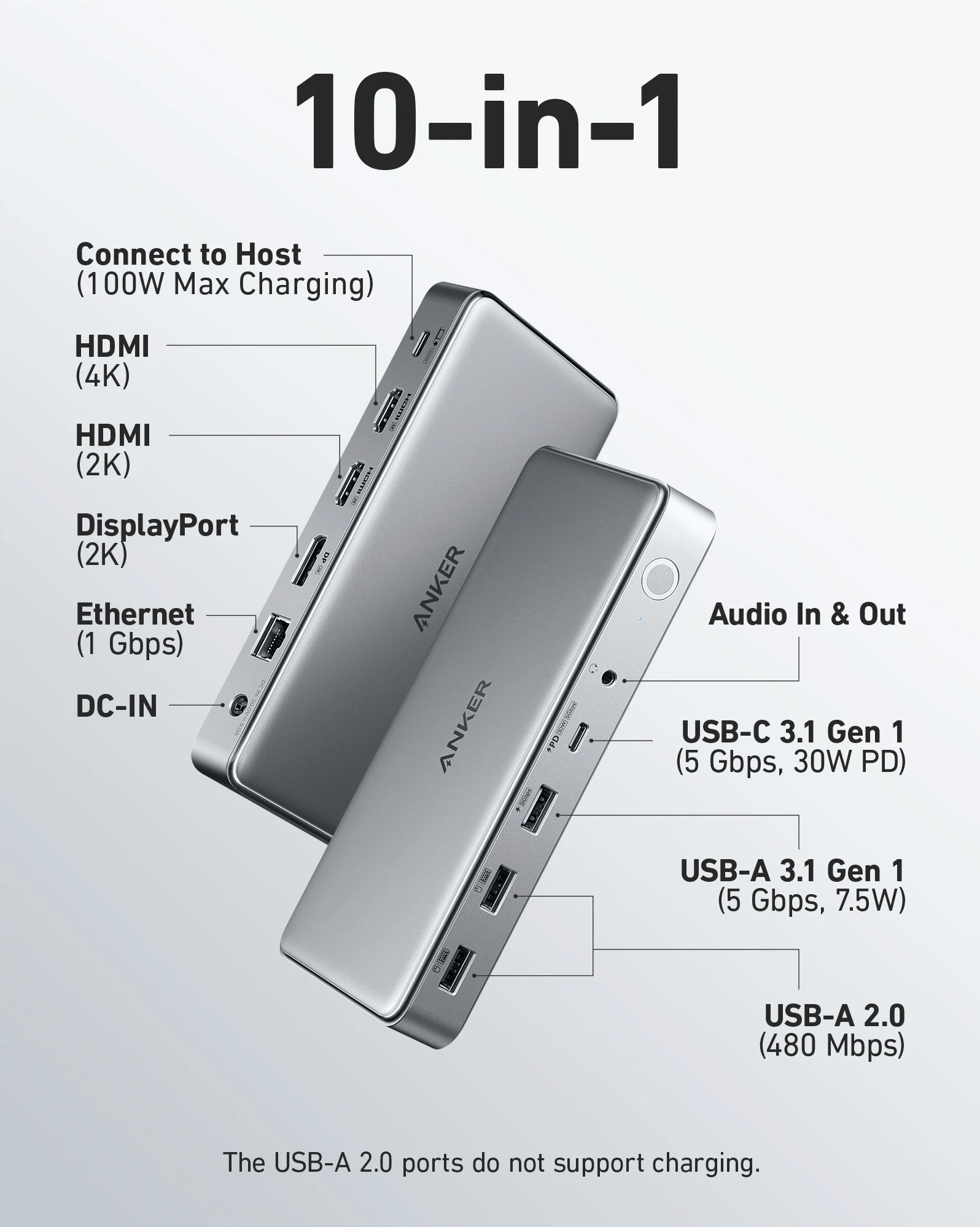
The $250 Anker 563 USB-C docking station, spotted by MacRumors, connects to a USB-C port on your computer (which doesn't have to be a Mac) and can also charge a laptop at up to 100 W. Of course, you'll also need to plug in the dock's 180 W power adapter. Once connected, the dock adds the following ports to your setup:

  • 2x HDMI (version not specified)
  • 1x USB-C (3.1 Gen 1): charges devices at up to 30 W
  • 1x USB-A (3.1 Gen 1): charges devices at up to 7.5 W
  • 2x USB-A (2.0)
  • 1x 3.5 mm headphone jack
  • 1x Ethernet
Port selection.
Enlarge / Port selection.

You'll need the two HDMI ports and DisplayPort to add three monitors to an M1 MacBook. There are some notable limitations, though.

If you were hoping to use a trio of 4K displays, you're out of luck. The dock can only support one 4K monitor at a time, and the output will be limited to a 30 Hz refresh rate. Most general-use monitors and TVs run at 60 Hz, and monitors can reach up to 360 Hz. 4K monitors will even hit 240 Hz this year. Running 4K at 30 Hz may be fine for watching movies, but for fast-paced action, things may not appear as smooth to keen eyes used to 60 Hz and beyond.

If you add a second external monitor via the Anker 563, a 4K screen will still run at 30 Hz via HDMI, while the DisplayPort will support up to 2560×1440 resolution at 60 Hz.

There are more disappointing caveats when looking at a tri-monitor setup. The 4K monitor will run at 30 Hz, but you can no longer use another monitor at 2560×1440. Instead, the additional two monitors are limited to 2048×1152 resolution and 60 Hz refresh rates. If the display doesn't support 2048×1152, Anker says the monitor will default to 1920×1080.

You also have to download DisplayLink software, and you must be running macOS10.14 or Windows 7 or later.

Apple says that "using docks or daisy-chaining devices doesn't increase the number of displays you can connect" to an M1 Mac, so don't be surprised if there are hiccups during operation.

Anker isn't alone in trying to do what Apple says can't be done, as noted by The Verge. Hyper, for example, offers options for adding two 4K monitors to an M1 MacBook, one at 30 Hz and one at 60 Hz. That list includes a $200 hub with a similar port selection to the Anker 563 and a two-year limited warranty (the Anker dock gives 18 months). It works via DisplayPort Alt Mode, so you don't need a DisplayLink driver, but it still requires the pesky Hyper app.

Plugable offers docking solutions that claim to work with M1 Macs for a similar price to the Anker dock, and they also limit 4K to 30 Hz.

Some docks have even more limitations when it comes to the M1, though. CalDigit notes that for its dock, "users cannot extend their desktop over two displays and will be limited to either dual 'Mirrored' displays or 1 external display depending on the dock."

Alternatively, and for several hundred dollars more, you could buy a new MacBook and upgrade to an M1 Pro, M1 Max, or M1 Ultra processor. Depending on the device, those chips can support from two to five external displays, Apple says.

Ars Technica may earn compensation for sales from links on this post through affiliate programs.

Adblock test (Why?)


New USB-C dock triples M1 Mac external monitor support, Anker says - Ars Technica
Read More

Google's encryption-breaking Magic Compose AI proves iPhone shouldn't support RCS messaging - BGR

For years, Google has been dying to come up with an iMessage equivalent, a key iPhone feature that’s probably responsible for stealing plent...